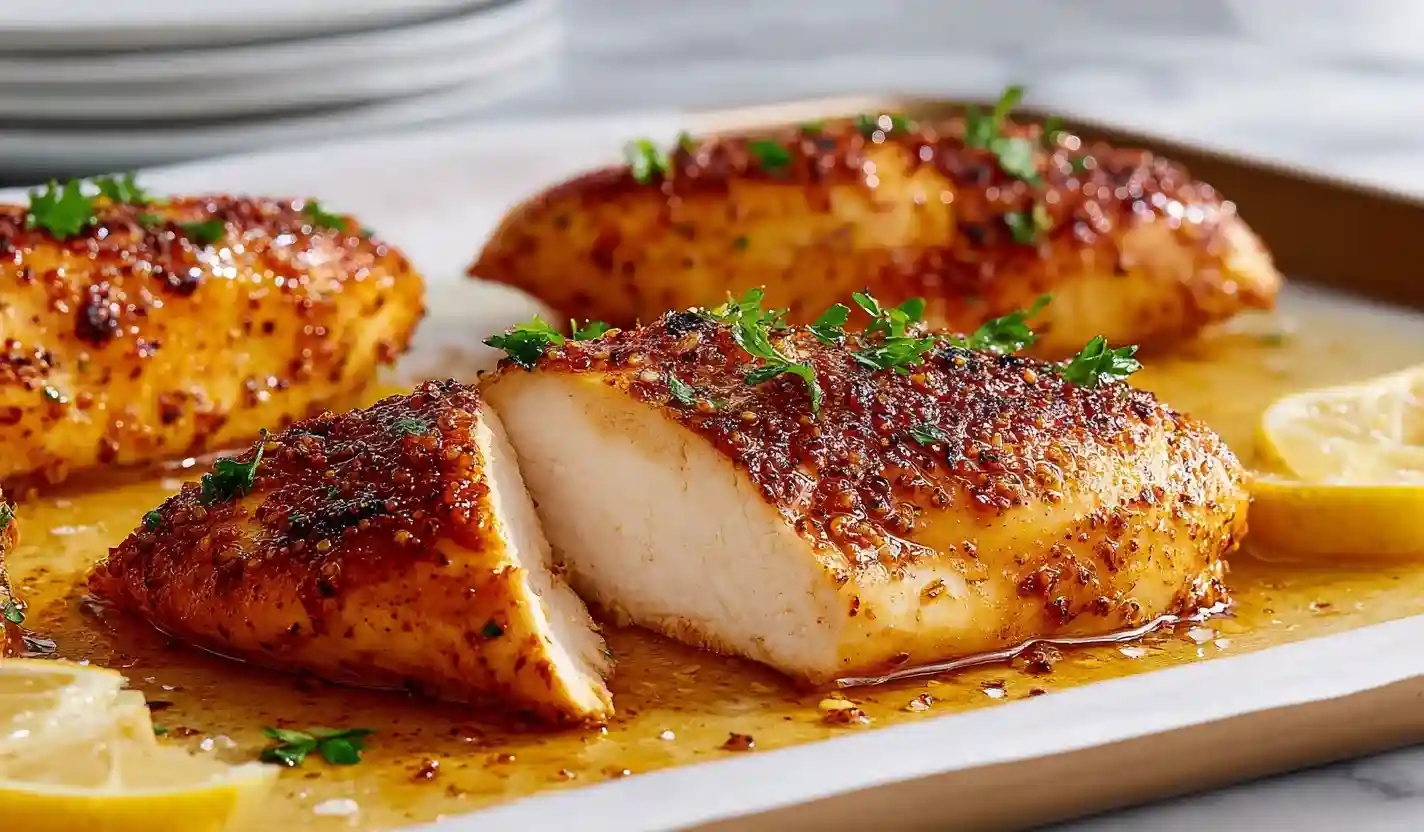
Say Goodbye to Dry: The Ultimate Guide to Juicy Baked Chicken Breasts
For many home cooks, the idea of perfectly cooked, juicy baked chicken breasts feels like a culinary holy grail. It's a staple protein, versatile, healthy, and relatively inexpensive, yet so often it ends up dry, bland, and utterly disappointing. If you've ever chewed through a rubbery piece of chicken, you know the frustration. But what if we told you that consistently tender, succulent, and flavorful baked chicken breasts are not just possible, but incredibly easy to achieve? This comprehensive guide is your passport to mastering the art of oven-baked chicken, transforming a notoriously tricky dish into a reliable crowd-pleaser. We'll walk you through a foolproof method that ensures every bite is moist, savory, and satisfying, whether you're a seasoned chef or just starting your culinary journey. Get ready to unlock the secrets to Oven Baked Chicken Breasts: Tender, Juicy, Perfect Every Time, making dry chicken a distant memory.The Foundation: Simple Ingredients, Incredible Results
The beauty of truly delicious baked chicken breasts lies in their simplicity. You don't need a pantry full of exotic spices or complex techniques. With just a handful of quality ingredients and a few fundamental steps, you can create a meal that’s both impressive and effortlessly easy.Essential Ingredients for Flawless Baked Chicken Breasts:
- Boneless, Skinless Chicken Breasts: Start with quality chicken. For even cooking, aim for breasts of similar size. If you have thicker pieces, a pro tip is to gently pound them to an even ½ to ¾-inch thickness. This prevents the thinner parts from overcooking while the thicker parts catch up.
- Olive Oil: More than just a lubricant, olive oil is your secret weapon against dryness. It locks in moisture, promotes even heat distribution, and helps create that coveted golden-brown exterior. A good quality extra virgin olive oil will also subtly enhance the flavor.
- Coarse Sea Salt: Don't underestimate the power of salt. Coarse sea salt not only seasons the chicken but also helps draw out and redistribute moisture, leading to a more tender texture. Apply it liberally, but wisely.
- Your Favorite Seasoning Blend: This is where you infuse personality into your dish. While a classic Creole seasoning offers a fantastic depth of flavor and a touch of heat, the possibilities are endless. Consider garlic powder, onion powder, paprika, dried herbs like oregano or thyme, or a lemon pepper blend.
- Chicken Broth: This often-overlooked ingredient is vital for creating a delectable pan sauce. It deglazes the pan, capturing all those flavorful browned bits, and adds an extra layer of moisture and richness to serve alongside your chicken.
Mastering the Oven: Temperature, Time, and Technique
The oven is where the magic happens, but precise temperature control and understanding key techniques are paramount to achieving that juicy perfection.Optimal Oven Temperature: The 400°F Sweet Spot
Baking your chicken breasts at 400°F (200°C) strikes the perfect balance. This higher heat ensures rapid cooking, which is crucial for juicy chicken, as it minimizes the time the proteins spend contracting and releasing moisture. It also promotes beautiful browning on the exterior, adding depth of flavor and visual appeal without drying out the interior.
Cooking Time: It's All About Internal Temperature
While a general guideline of around 20-25 minutes for a 5-ounce breast is often cited, actual cooking time can vary significantly based on the size and thickness of your chicken. The absolute most critical tool in your kitchen for preventing dry chicken is an instant-read meat thermometer. There's no guesswork involved when you use one.
- Insert the thermometer into the thickest part of the chicken breast, avoiding bone.
- Your baked chicken breasts are done when the internal temperature reaches 165°F (74°C). At this point, the juices will also run clear when pierced.
- Resist the urge to overcook! Even a few extra minutes past 165°F can begin the journey to dryness.
The Essential Resting Period
Once your chicken reaches the target temperature, remove it from the oven and let it rest, uncovered, for at least 5 minutes before slicing. This step is non-negotiable for juicy chicken! Resting allows the muscle fibers to relax and reabsorb the juices that have migrated to the center during cooking. Slicing too soon will cause those precious juices to escape onto your cutting board, leaving you with a less tender and flavorful result.
Elevate Your Experience: Seasonings, Sauces, and Customization
While the basic recipe is fantastic, there's always room to personalize and enhance your baked chicken breasts.Exploring Flavor Profiles:
- Herbal Infusion: For a more aromatic dish, mix dried rosemary, thyme, and sage with your salt and olive oil.
- Spicy Kick: Amp up the heat with a pinch of cayenne pepper, smoked paprika, or a dash of chili powder.
- Mediterranean Flair: Combine oregano, garlic powder, a squeeze of lemon juice, and a sprinkle of dried basil.
- Sweet & Savory: A touch of brown sugar or honey in your seasoning can create a beautiful glaze and caramelized exterior.
Crafting an Irresistible Pan Sauce:
The flavorful drippings left in your baking dish are a goldmine! Don't let them go to waste. After removing the chicken to rest, place the baking dish over medium heat (if oven-safe) or pour the drippings into a small saucepan. Add your chicken broth and use a wooden spoon to scrape up all those delicious browned bits from the bottom of the pan – this process is called deglazing. Simmer for a few minutes until slightly reduced. For extra richness and a bright finish, stir in a teaspoon of butter and a squeeze of fresh lemon juice before serving over your sliced chicken.
Chef's Tip: For an even more tender chicken breast, consider a quick brine. A simple solution of water, salt, and a touch of sugar for 15-30 minutes before seasoning and baking can significantly enhance moisture retention.
Smart Storage & Reheating: Keeping the Juiciness Alive
Perfectly cooked chicken doesn't have to be a one-time affair. With proper storage and reheating techniques, you can enjoy your juicy baked chicken breasts for days, making them ideal for meal prep.Refrigeration:
Store leftover cooked chicken in an airtight container or a zip-top bag in the refrigerator for up to three days. Ensure it cools completely before storing to prevent condensation buildup.
Gentle Reheating is Key:
The biggest risk when reheating chicken is drying it out. The trick is to warm it gently and introduce moisture:
- Oven Method (Best for Whole Breasts): Place the chicken breasts in a baking dish with a few tablespoons of chicken broth or water. Cover the dish tightly with foil. Reheat in a preheated 325°F (165°C) oven for 15-20 minutes, or until an internal temperature of 165°F (74°C) is reached. The foil and broth create a steamy environment, keeping the chicken moist.
- Microwave Method (Best for Sliced Chicken): If reheating sliced chicken, arrange it on a microwave-safe plate with a splash of broth. Cover with a damp paper towel to trap steam. Microwave in short 30-second intervals, checking for warmth and flipping as needed, until heated through.
Freezing for Future Meals:
Freezing is an excellent option for extending the life of your chicken, whether raw or cooked.
- Freezing Raw Chicken Breasts: To ensure quality, wrap each raw chicken breast individually in a layer of plastic wrap, then an additional layer of aluminum foil. This dual barrier protects against freezer burn. Freeze for up to two months. Thaw completely in the refrigerator before proceeding with the baking recipe.
- Freezing Cooked Chicken Breasts: Allow your cooked baked chicken breasts to cool completely. Wrap them individually as described for raw chicken, or slice them and store in an airtight freezer-safe bag with as much air removed as possible. Freeze for up to 2-3 months. To reheat, thaw in the refrigerator overnight, then follow the gentle oven reheating method.
